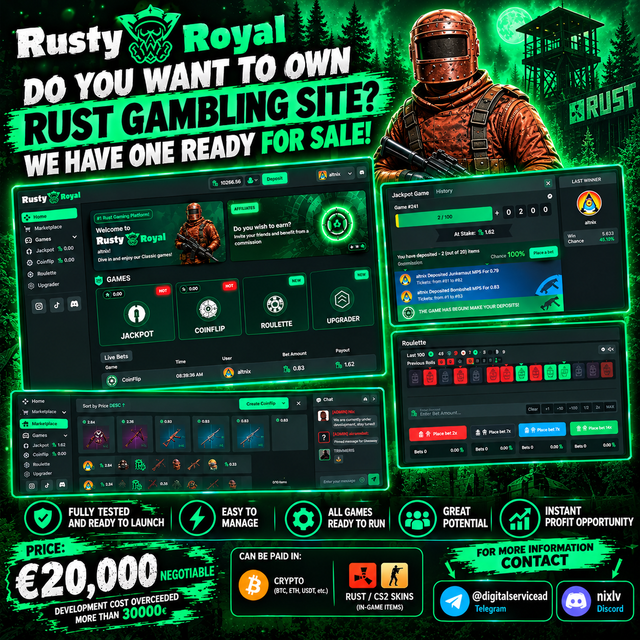
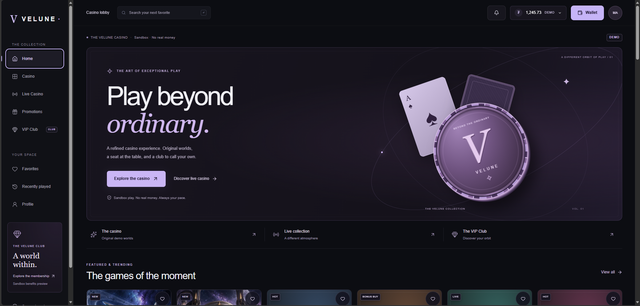
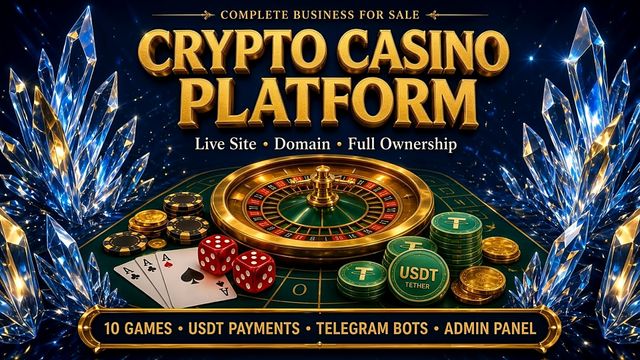
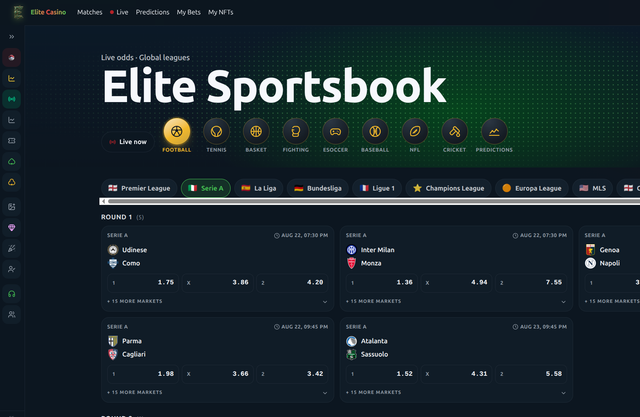
Operational crypto casinos, Bitcoin sportsbooks and Web3 gambling platforms with integrated blockchain payment rails, live game aggregators and active player bases. Every listing is reviewed before publication and financial data is released under NDA.
Crypto casinos are gambling operations that accept Bitcoin, Ethereum, USDT and other digital assets as their primary deposit and withdrawal method. Compared with fiat-only operators they settle player balances faster, reach markets where card processing is unreliable, and carry lower payment-processing costs — which is why acquisition interest in them has grown faster than in any other segment of the iGaming market.
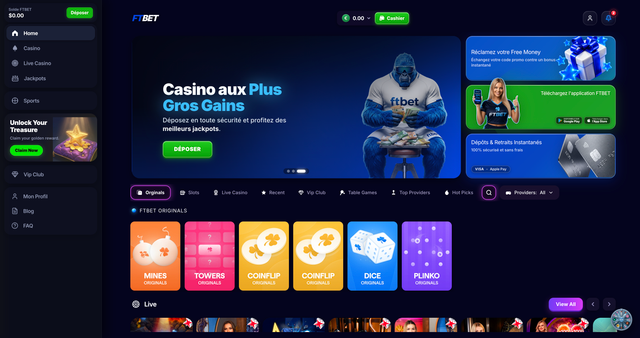
The platforms listed here range from provably-fair dice and crash sites with in-house game engines to fully aggregated casinos carrying thousands of third-party slots alongside a crypto cashier. Each one is reviewed before publication: we confirm the licence or corporate structure it operates under, the wallet and payment-provider setup that would transfer with the sale, and the player figures the seller reports. Detailed revenue, margin and traffic data is released to qualified buyers under NDA.
Why buyers acquire these assets
Buyers acquire an operating crypto casino rather than launching one because the hardest parts are already solved: the cashier is integrated and tested, the game aggregator contracts are signed, the affiliate and streamer relationships are producing deposits, and the brand already ranks for the terms its players search. A launch from zero typically takes six to twelve months and substantial capital before a single real-money wager is placed.
The risks are specific to the segment and worth diligence time. Blockchain settlement does not remove regulatory exposure — the jurisdictions an operation serves still determine what licence it needs. Wallet custody arrangements, treasury exposure to token price movements, and the transferability of payment-provider accounts all materially affect what you are buying. Our due diligence process and escrow-protected transfer cover exactly these points before funds move.
Frequently asked questions
What licence does a crypto casino need?
It depends on the markets it serves rather than on the currency it accepts. Most crypto-first operators run under Curaçao, Anjouan or Costa Rican structures, which permit a broad international player base at moderate cost. Operations targeting regulated European markets need the corresponding national or Maltese licence. Every listing states the structure currently in place and whether it transfers with the asset.
Can the crypto payment setup transfer to a new owner?
Usually yes, but it is never automatic. Self-hosted wallets and node infrastructure move with the codebase; third-party payment processors and exchange accounts require the provider to approve the new beneficial owner, which is why we confirm transferability in writing during due diligence rather than at closing.
How are crypto casinos valued?
On a multiple of monthly net gaming revenue, typically in the range of 20 to 40 times depending on licence quality, player retention, the share of revenue from owned traffic rather than paid acquisition, and how much of the technology is owned rather than rented. Our free valuation tool gives an indicative range before you list or make an offer.
Is payment for the acquisition itself made in crypto?
It can be. Transactions settle through escrow in euro or in stablecoins, whichever both parties agree to, with funds released only once the platform, domains, wallets and player database have verifiably changed hands.